

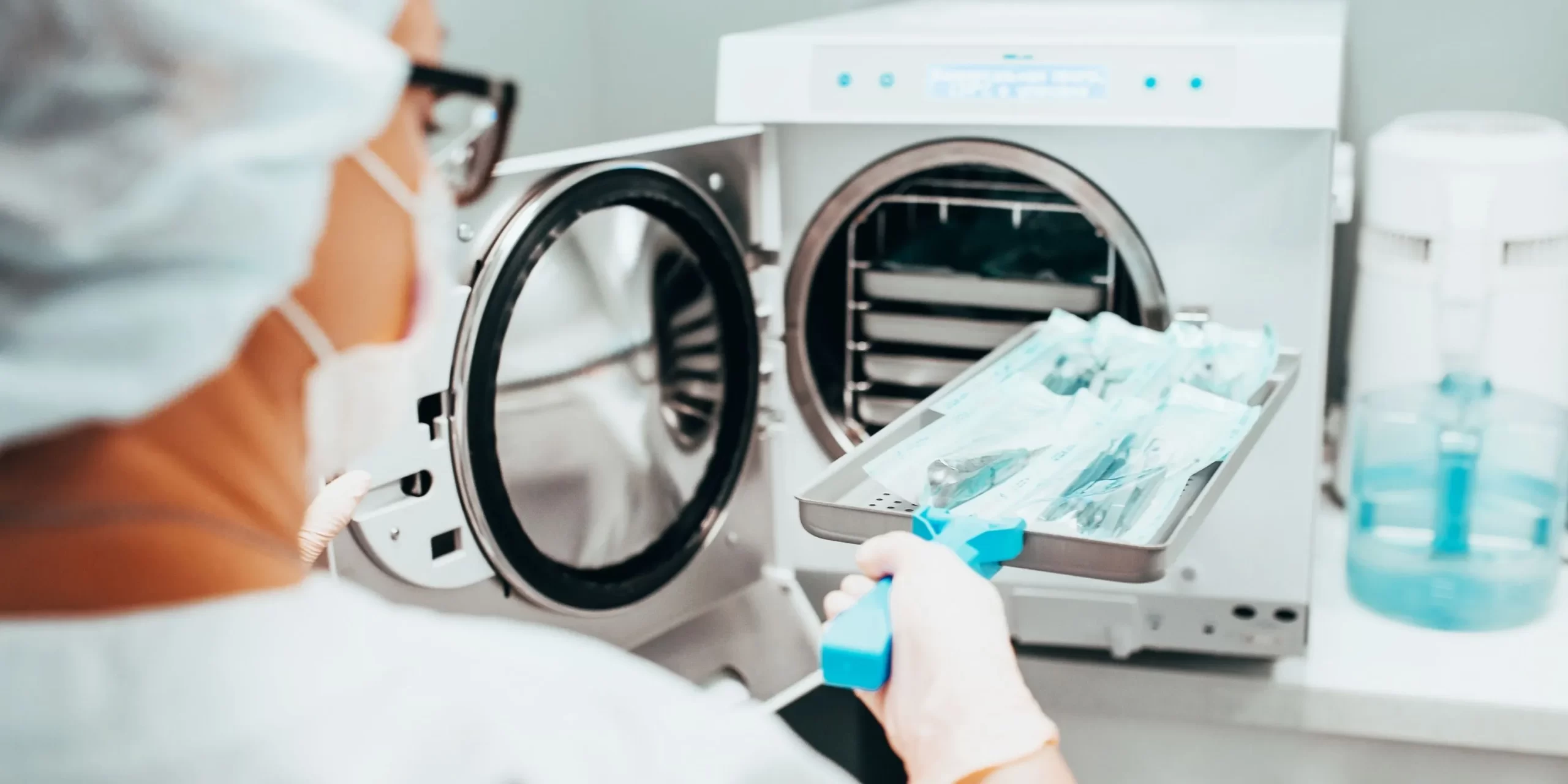
Autoclave sterilization is a critical process in medical device manufacturing, ensuring products meet strict safety and regulatory requirements. However, effective sterilization goes beyond simply running a cycle—it requires precise validation of temperature, pressure, and exposure time to guarantee consistent and repeatable results. For manufacturers operating under standards such as ISO 13485, ISO 17665, and FDA regulations, autoclave cycle validation is a non-negotiable step in quality assurance.
This guide explores the technical fundamentals of autoclave cycle validation, with a focus on thermal and pressure validation, and highlights best practices to ensure compliance and process reliability.
Why Autoclave Validation Is Critical
Autoclaves rely on saturated steam under controlled pressure to eliminate microorganisms. Any deviation in temperature, pressure, or dwell time can compromise sterility, leading to product recalls, regulatory non-compliance, or patient safety risks.
Validation ensures that:
-
The autoclave consistently reaches and maintains the required sterilization conditions
-
Heat and pressure are uniformly distributed throughout the chamber and load
-
Sterilization parameters are repeatable across multiple cycles and load configurations
Without proper validation, even well-designed sterilization processes may fail under real production conditions.
Thermal Validation: Ensuring Effective Heat Distribution
Thermal validation focuses on verifying that the autoclave achieves the target temperature (commonly 121 °C or 134 °C) and maintains it for the required exposure time across the entire load.
Key Aspects of Thermal Validation
-
Temperature mapping: Multiple calibrated temperature sensors are placed at critical points within the chamber and product load to identify cold spots.
-
Heat penetration studies: Confirm that steam effectively penetrates packaging and product materials.
-
Equilibration and exposure time analysis: Ensures all sensors reach the sterilization temperature before the exposure phase begins.
High-accuracy data loggers and thermocouples are essential to capture real-time temperature profiles and ensure traceability.
Pressure Validation: Verifying Steam Saturation and Control
Pressure plays a vital role in steam sterilization by enabling saturated steam to reach high temperatures. Pressure validation ensures that the autoclave operates within defined limits and maintains proper steam conditions throughout the cycle.
Key Aspects of Pressure Validation
-
Pressure sensor verification: Confirms accuracy and calibration of pressure transducers.
-
Correlation between pressure and temperature: Validates that pressure values align with expected saturated steam conditions.
-
Vacuum and pulsing phases: Ensures effective air removal, which is critical for uniform heat transfer.
Accurate pressure measurement helps detect leaks, air pockets, or steam quality issues that could compromise sterilization efficacy.
Installation, Operational, and Performance Qualification (IQ/OQ/PQ)
Autoclave validation typically follows a structured qualification approach:
-
Installation Qualification (IQ): Verifies that the autoclave and measurement instruments are installed correctly according to manufacturer and regulatory specifications.
-
Operational Qualification (OQ): Confirms that the autoclave operates within defined temperature and pressure ranges under empty or controlled conditions.
-
Performance Qualification (PQ): Demonstrates consistent sterilization performance using actual products and worst-case load scenarios.
Thermal and pressure data collected during these stages form the backbone of the validation report.
Data Integrity and Regulatory Compliance
Modern validation practices emphasize data integrity and traceability. Automated data acquisition systems reduce human error and simplify compliance with FDA 21 CFR Part 11 and EU GMP requirements.
Best practices include:
-
Using calibrated, traceable sensors
-
Maintaining secure, tamper-evident data records
-
Generating clear validation reports with graphical temperature and pressure profiles
Reliable data not only supports audits but also helps optimize sterilization cycles and reduce operational risks.
Final Thoughts
Validating autoclave cycles is a highly technical process that directly impacts product safety and regulatory compliance in medical device manufacturing. By focusing on precise thermal and pressure validation, manufacturers can ensure robust sterilization processes, minimize risks, and meet global regulatory standards with confidence.
Investing in accurate measurement technologies and structured validation methodologies is essential for maintaining consistent sterilization performance in today’s highly regulated healthcare environment.




sales@logicbus.com | support@logicbus.com | +1 619 616 7350 | Start conversation