

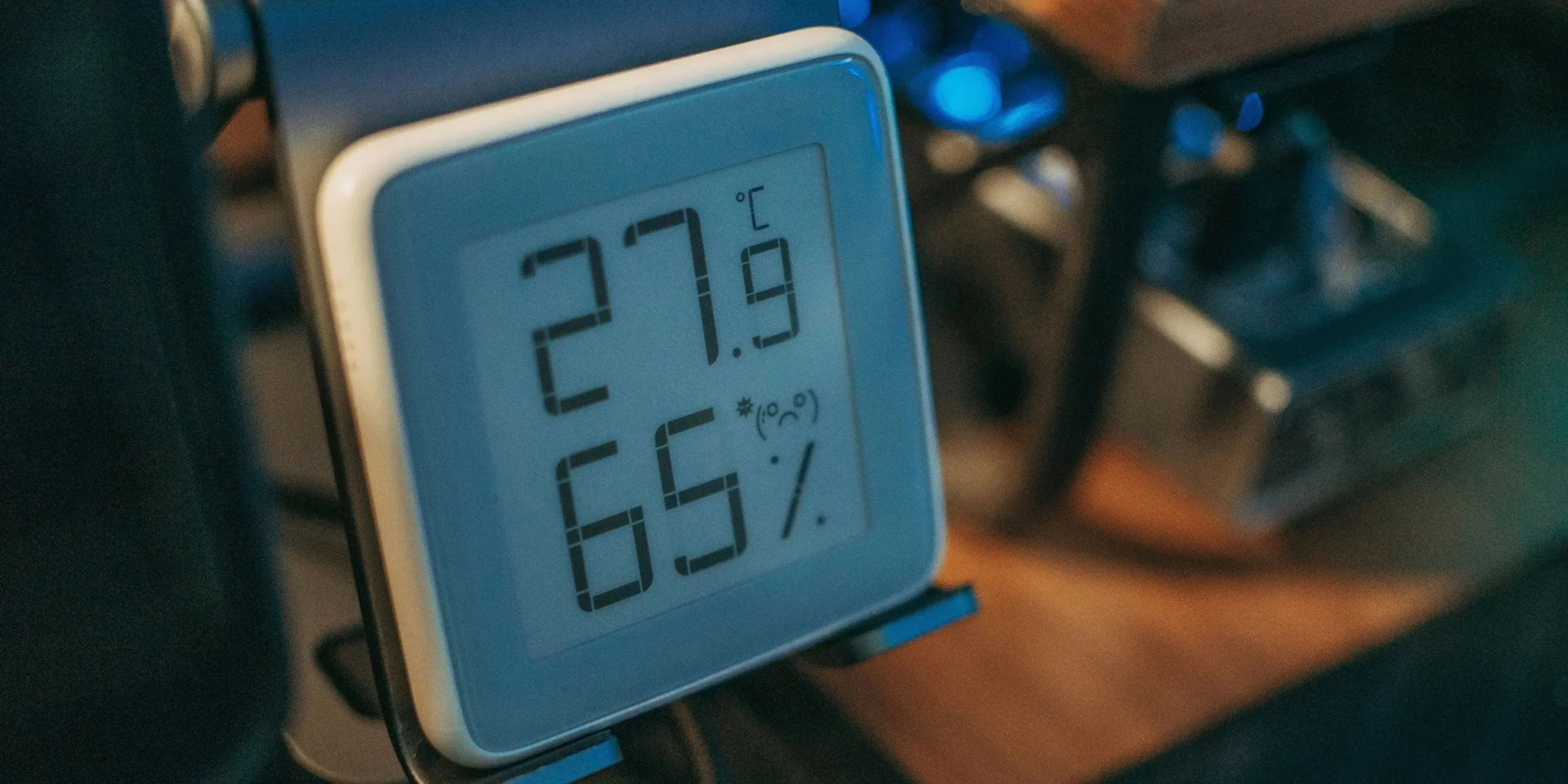
In the dairy, meat, and frozen food industries, the “Cold Chain” is the lifeline of product safety. A deviation of just a few degrees can trigger rapid bacterial growth, resulting in massive inventory spoilage and severe regulatory penalties. Maintaining thermal integrity requires a transition from manual, error-prone logging to a continuous, automated, and tamper-proof monitoring architecture.
1. Data Acquisition: The EDCLES Infrastructure 
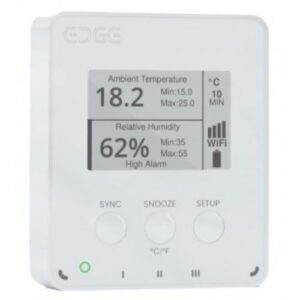
The primary layer of defense is the deployment of specialized Data Loggers, such as the EDCLES series, across cold storage rooms, walk-in freezers, and refrigerated transport units.
-
High-Fidelity Sensing: These loggers are equipped with calibrated thermistors or RTDs (Resistance Temperature Detectors) that record ambient conditions at precise intervals.
-
Redundancy: Local storage ensures that data is captured even during temporary network outages, providing a “black box” record of the environment.
2. Connectivity: Cellular and Cloud Synchronization
For logistics involving delivery trucks or remote warehouses, static logging is insufficient. Real-time visibility is achieved through cellular transmission:
-
Cellular Data Loggers: Integrated modules transmit temperature and humidity data back to a centralized cloud platform via 4G/LTE.
-
LF Cloud Processing: The data is ingested by the LF Cloud platform. This software layer is designed for Compliance, generating unalterable reports that meet FDA 21 CFR Part 11 regulations for electronic records and signatures.
3. Real-Time Intervention: Local and Remote Alarms
Automation must be paired with immediate notification systems to prevent catastrophic loss:
-
Visual and Audible Alarms: Displays mounted directly on the data loggers trigger local alerts if temperatures deviate from the pre-set safety range.
-
Remote Notifications: The cloud platform sends automated SMS or email alerts to facility managers the moment a “breaking of the cold chain” is detected, allowing for intervention before the product reaches the thermal danger zone.
4. Workstations for Harsh Environments
Monitoring stations located near loading docks or processing areas must be as resilient as the cold chain itself. The following hardware configuration is recommended for maximum uptime:
-
Industrial PC (CV-115R): A high-performance, fanless PC with an N42 processor and 4G connectivity, designed to operate in high-humidity and low-temperature environments.
-
Sealed Peripherals: To maintain hygiene and prevent equipment failure during washdown or condensation:
-
D-87W Keyboard: A fully sealed, medical-grade waterproof keyboard.
-
D-SME20 Mouse: A washable industrial optical mouse.
-
5. Strategic and Regulatory Benefits
| Feature | Technical Impact | Strategic Value |
| Continuous Logging | Replaces unreliable manual logs. | Automates 100% of record-keeping for audits. |
| Tamper-Proof Reporting | Compliance with FDA 21 CFR Part 11. | Ensures successful health and safety audits. |
| Real-Time Alerting | Detects refrigeration failure instantly. | Prevents inventory loss and protects brand reputation. |
Conclusion
Continuous Cold Chain Monitoring is not just a regulatory requirement; it is a critical component of operational resilience. By integrating EDCLES hardware with LF Cloud intelligence and ruggedized workstations, perishable goods facilities can transform their logistics from a high-risk gamble into a precisely controlled, data-driven operation.




sales@logicbus.com | support@logicbus.com | +1 619 616 7350 | Start conversation