

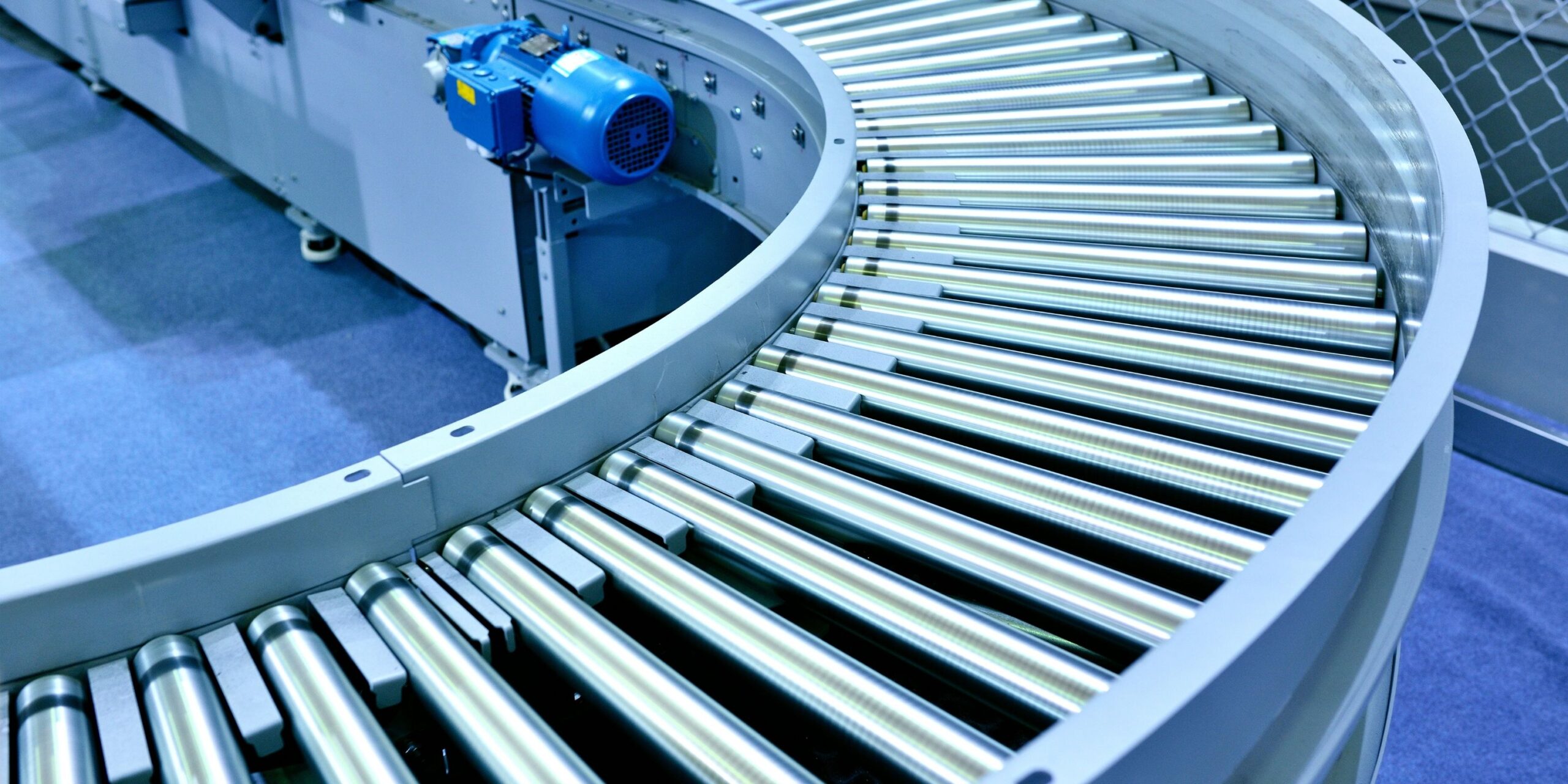
Automated conveyor belt sorting and detection systems have become a cornerstone in industries such as food processing, packaging, mining, and logistics. These solutions guarantee that products and raw materials are accurately classified, separated, and directed to their correct destination. By integrating sensors, PLCs, actuators, and HMIs, companies can increase efficiency, reduce errors, and comply with demanding quality standards.
How It Works
1. Product Detection and Identification
The process starts with detecting and identifying products on the conveyor belt.
-
Photoelectric sensors such as the SAQO2 from Tri-Tronics provide high accuracy in detecting items as they move along the conveyor.
-
For more advanced classification, barcode scanners can be integrated to read product type, size, or label data.
2. Signal Conditioning and Data Processing 
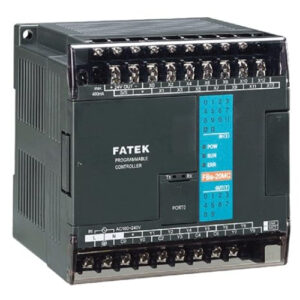
Once detection is complete, the signals are sent to a PLC system for processing.
-
The FBs-20MCR2-AC and FBs-2LC PLCs from FATEK analyze inputs and execute pre-programmed logic to define sorting criteria (by weight, size, or product type).
3. Sorting and Actuation
After processing, the PLC communicates commands to actuators responsible for sorting.
-
Pneumatic pushers, diverters, or robotic arms like the SCR5 from SIASUN redirect products to the correct lanes.
-
For weight-based sorting, Futek’s LSB302 S-Type load cells continuously measure and provide feedback to ensure compliance with thresholds.
4. Real-Time Monitoring and Feedback
Operators can oversee the entire process through an HMI interface.
-
The P5070SB panel from FATEK displays throughput, rejected items, and error trends.
-
The system also generates real-time alerts for anomalies such as missed detection or tolerance deviations.
5. Data Logging and Traceability
Modern systems integrate data acquisition for traceability and compliance.
-
With M-7051 data loggers or UA-5231 gateways, data can be stored or transmitted to SCADA or cloud platforms.
-
This ensures batch-level traceability, supports audits, and strengthens quality assurance practices.
Advantages of Automated Conveyor Belt Sorting Systems
-
Increased Productivity: High-speed sorting with minimal human intervention.
-
Accuracy and Consistency: Eliminates human error while ensuring products meet strict quality standards.
-
Scalability: Modular designs adapt to different conveyor speeds, product types, or sorting rules.
-
Traceability: Digital records support audits and regulatory compliance.
-
Reduced Operational Costs: Automation reduces manual labor and product loss.
-
Integration Flexibility: Compatible with SCADA, MES, and ERP platforms for unified production management.
Conveyor belt sorting and detection systems represent a key step in achieving smarter, more efficient, and compliant production lines. By combining sensors, PLCs, actuators, and real-time monitoring, industries can boost productivity while ensuring consistent quality. The integration of data logging and cloud connectivity adds an extra layer of intelligence, making these systems indispensable in modern automation strategies.




sales@logicbus.com | support@logicbus.com | +1 619 616 7350 | Start conversation