

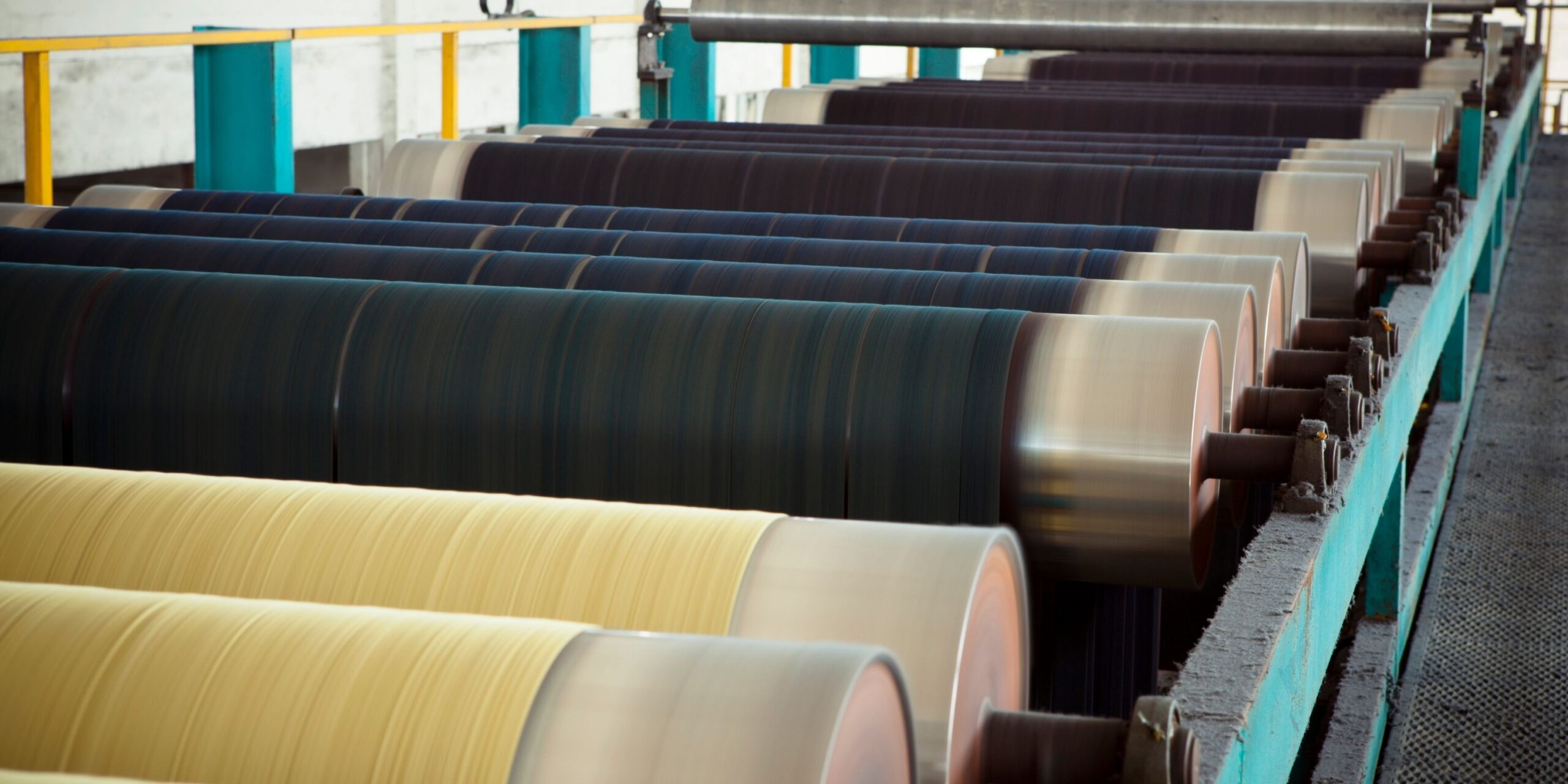
In the textile industry, the dyeing process demands maximum precision. Maintaining strict control over temperature and pH levels in dye baths is essential to achieve uniform color distribution, fabric integrity, and chemical efficiency. Even the smallest fluctuations can cause uneven dye uptake, mismatched tones, or unnecessary material waste.
To address these challenges, modern dyeing plants are adopting automation systems that integrate data loggers, signal conditioners, and PLC-based control to ensure optimal dyeing conditions with high repeatability and reduced human intervention.
How It Works
1. Real-Time Monitoring of Dye Bath Temperature
The process begins with high-precision temperature sensors immersed directly into the dye bath. These sensors are designed to capture accurate data at high frequency, even in humid or corrosive environments.
The signal is then transmitted to a signal conditioning module, such as the K121 from SENECA, which amplifies and converts the analog signal into a format suitable for real-time processing. This ensures that the data sent to the automation system is both reliable and stable.
2. PLC-Based Temperature Loop Control 
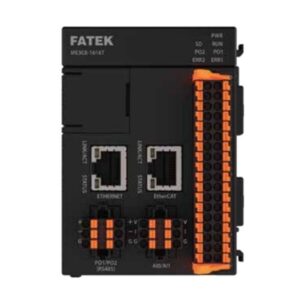
Once conditioned, the temperature signals are sent to a FATEK ME3C6-1616T PLC, where closed-loop control algorithms are executed.
The PLC adjusts heating elements, steam valves, or water circulation pumps according to preconfigured dyeing profiles, guaranteeing that the desired temperature curve is followed with precision.
This flexibility allows for customized temperature ramps, holds, and cooldown periods depending on fabric type and dye formulation.
3. pH Monitoring (Optional Integration)
For processes where pH stability is as critical as temperature control—such as reactive or acid dyeing—pH probes can be integrated into the system.
The signals from these probes are processed with SENECA K121 conditioners and managed by the PLC. In response, the PLC can trigger the automatic injection of neutralizers, acids, or bases, ensuring real-time adjustments and preventing deviations in dye bath chemistry.
4. Process Visualization and Operator Control
Operators interact with the system through an HMI such as the FATEK P2101NA, seamlessly connected to the PLC. From this panel, they can:
-
Select fabric- or color-specific recipes.
-
View live temperature and pH trends.
-
Receive alarms and alerts in case of deviations or sensor failures.
This not only enhances operational efficiency but also improves user experience and safety.
Benefits of Automation in the Dyeing Process
Implementing automation and precise temperature control in textile dyeing delivers multiple advantages:
-
Consistent Dyeing Results: Stable temperature and pH conditions ensure even color uptake and high product quality.
-
Reduced Material Waste: Minimizes reprocessing and avoids costly defects caused by parameter fluctuations.
-
Improved Process Control: Automation reduces human error and increases batch-to-batch repeatability.
-
Energy Efficiency: Avoids overheating and optimizes energy consumption.
-
Traceability and Compliance: Digital records provide full documentation for audits and certifications.
Conclusion
The textile industry is moving toward smart dyeing processes where automation guarantees reliability, repeatability, and efficiency. By combining high-precision sensors, SENECA signal conditioners, and FATEK PLC/HMI solutions, manufacturers can achieve superior results, reduce waste, and meet the growing demand for quality and sustainability.
Adopting automation in dyeing is no longer a competitive advantage—it’s a necessity to ensure precision, efficiency, and long-term profitability.




sales@logicbus.com | support@logicbus.com | +1 619 616 7350 | Start conversation