
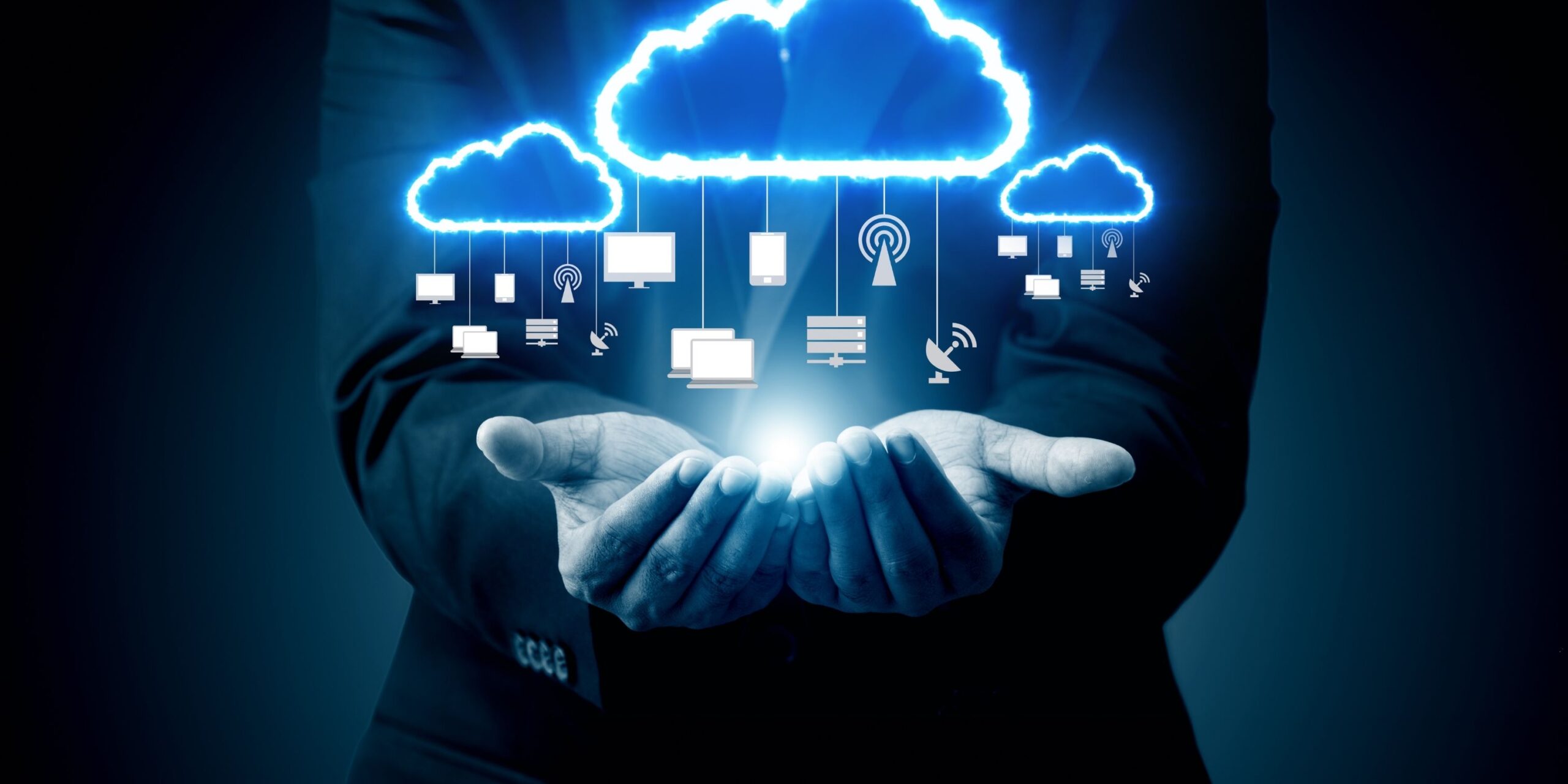
The digital transformation of industrial environments is being driven by technologies that enable greater efficiency, control, and process optimization. Two key approaches at the heart of this evolution are Edge Computing and Cloud Computing—both playing a crucial role in how industries manage, process, and analyze data. But which one is right for your operations? Understanding their strengths, limitations, and ideal use cases is essential to making the right choice.
What is Edge Computing?
Edge Computing processes data directly on the device or close to where it is generated, rather than sending it to a remote server for analysis. This approach reduces latency and enables real-time decision-making.
Pros of Edge Computing:
-
Low Latency: Essential for real-time industrial operations such as predictive maintenance, robotics, and automated quality control.
-
Operational Continuity: Functions even with limited or unreliable internet connectivity.
-
Improved Security: Keeps sensitive data within the local network, reducing exposure to external threats.
Cons of Edge Computing:
-
Higher Initial Investment: Requires robust local infrastructure and specialized hardware.
-
Maintenance Demands: Needs on-site technical expertise for updates and troubleshooting.
What is Cloud Computing?
Cloud Computing uses remote servers accessed via the internet to store, process, and analyze data. It provides scalability and flexibility, particularly for industries dealing with massive data volumes.

Pros of Cloud Computing:
-
Scalability: Easily adapts to growing data and computing needs without major on-site investment.
-
Centralized Data Access: Enables collaboration across multiple facilities and locations.
-
Cost Efficiency (Long-Term): Reduces expenses associated with hardware upkeep and upgrades.
Cons of Cloud Computing:
-
Latency: Dependent on internet speed, making it unsuitable for time-critical operations.
-
Security Concerns: Greater exposure to cyberattacks due to remote data storage.
-
Downtime Risks: Potential service interruptions from the provider can disrupt operations.
Which One Should You Choose for Your Industrial Operations?
The decision depends on your operational goals and technical requirements:
-
Edge Computing is the right choice for real-time critical processes, environments with poor connectivity, and applications where data security is paramount.
-
Cloud Computing is ideal for large-scale data management, advanced analytics using AI, multi-site collaboration, and reducing infrastructure costs.
In many cases, a hybrid approach (Edge + Cloud) proves to be the optimal solution: local processing handles time-sensitive tasks while the cloud manages storage, deep analytics, and strategic decision-making.
Conclusion
Edge Computing and Cloud Computing are not competitors—they complement each other to build smarter, more efficient, and secure industrial ecosystems. By evaluating factors such as latency, cost, security, and scalability, companies can determine the best strategy to power their digital transformation journey.



sales@logicbus.com | support@logicbus.com | +1 619 616 7350 | Start conversation