

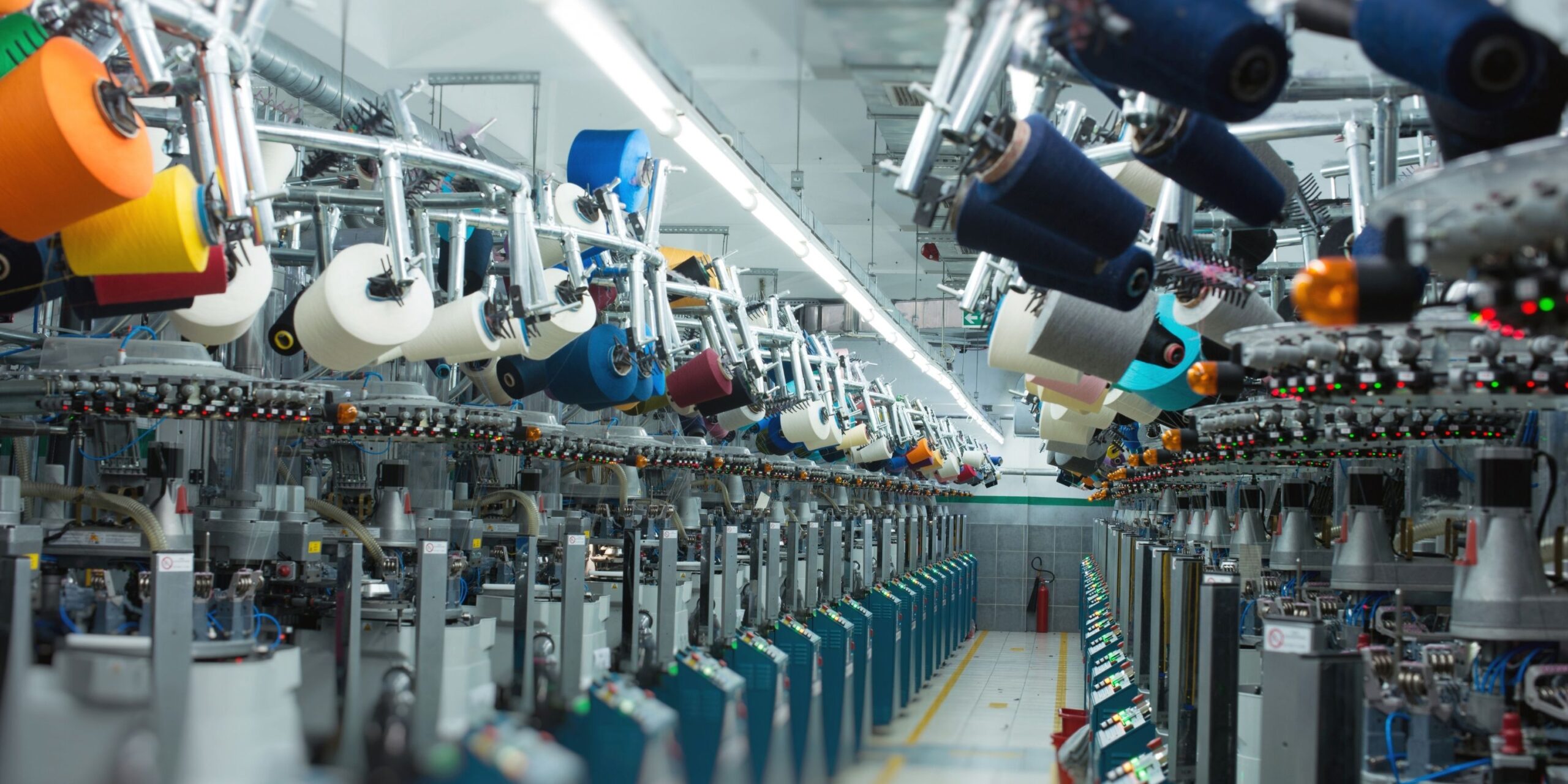
In the textile industry, controlling environmental conditions is not just about comfort—it’s about protecting materials, ensuring consistent production, and meeting strict regulatory standards. Fabrics like cotton, wool, and specialty synthetic fibers are particularly sensitive to temperature, humidity, and air quality. Without proper monitoring, these materials can deform, discolor, or even develop microbial contamination, leading to production losses and quality issues.
Implementing an industrial-grade environmental monitoring solution is essential to safeguard textile processes. This is where LoggerFlex solutions come into play.
1. Continuous Monitoring with Industrial-Grade Sensors 
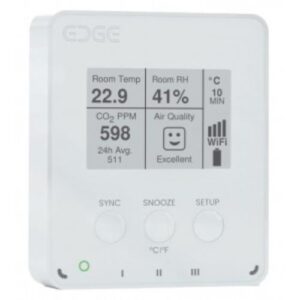
Critical production and storage areas are equipped with EDCLAR Dataloggers from LoggerFlex, specifically designed for demanding industrial environments. These devices provide:
-
Temperature monitoring to prevent fiber expansion or shrinkage.
-
Relative humidity tracking to avoid static electricity or excessive moisture.
-
Air quality measurements (particulate matter, VOCs) in dyeing or chemical handling zones.
With high accuracy and resistance to dust, humidity, and airborne fibers, EDCLAR ensures reliable operation in textile plants.
2. Local Data Logging for Traceability
Each datalogger records temperature, humidity, and air quality data at programmable intervals, storing information locally for days or weeks. This enables batch analysis and comprehensive audit documentation, ensuring that no data is lost even during network outages.
3. Cloud-Based Monitoring and Connectivity
For remote access and real-time insights, LoggerFlex devices transmit data seamlessly to the LF Cloud platform through the AW5601 Wireless Access Point. Operators can:
-
View real-time conditions via a secure web interface.
-
Access historical data and reports from any location.
-
Customize recording intervals to match operational needs.
This approach centralizes environmental data management, ensuring continuous oversight.
4. Integration with Automation Systems 

The PLC 0130000Z0001 integrates with LF Cloud through HTTP POST requests using the LoggerFlex API in JSON format, enabling smooth communication with other control systems. This connectivity ensures real-time processing and data-driven automation of HVAC or ventilation systems based on current conditions.
5. Visualization, Alerts, and Compliance
Operators can monitor conditions on-site via the P5150ZB visualization interface (HMI or web dashboard), which presents real-time trends of temperature, humidity, and air quality. Custom thresholds trigger automatic alerts via email, SMS, or on-screen notifications when environmental parameters exceed safe ranges.
Additionally, automated reports provide timestamped readings, alarms, and charts for compliance with ISO 9001 and ISO 14001, ensuring readiness for audits and certifications.
Key Benefits of Environmental Monitoring in Textile Production
-
Material Protection: Prevents quality degradation of raw and finished materials.
-
Compliance Assurance: Maintains documentation for audits and certifications.
-
Energy Optimization: Fine-tunes HVAC systems to reduce costs and improve efficiency.
-
Early Detection: Identifies potential risks before they impact production.
-
Data-Driven Decisions: Empowers managers with actionable insights for continuous improvement.
Conclusion
Environmental monitoring in textile production areas is no longer optional—it’s a strategic necessity. By leveraging LoggerFlex dataloggers, cloud platforms, and integrated automation tools, textile manufacturers can ensure optimal conditions, protect their products, and meet industry regulations with confidence.



sales@logicbus.com | support@logicbus.com | +1 619 616 7350 | Start conversation