


In the modern manufacturing landscape, quality control is not just a step in the production process—it’s the foundation that ensures safety, reliability, and performance. Within this framework, force and torque measurement play a pivotal role. These parameters are key indicators of how components perform under real-world conditions, and the precision with which they’re measured directly affects product quality.
The Importance of Accurate Force and Torque Measurement
Force and torque sensors convert mechanical input—such as tension, compression, or rotational force—into electrical signals that can be monitored and analyzed. In industries where precision is non-negotiable, such as aerospace and medical device manufacturing, these measurements ensure that every product meets strict safety and performance standards.
A small deviation in force calibration, for example, can lead to significant issues in an aircraft component or a surgical instrument. That’s why manufacturers rely on high-accuracy sensors like those developed by Futek, a company recognized for its advanced strain gauge technology and precision-engineered transducers.
Futek Sensors in Aerospace Applications
In the aerospace sector, where every gram of force matters, Futek’s sensors help engineers validate structural integrity and performance. During testing, load cells and torque sensors measure the stress applied to wings, landing gear, and control surfaces. This data ensures that every part performs flawlessly under extreme conditions—vibration, pressure changes, and temperature fluctuations.
For example, in engine assembly, torque sensors are essential for confirming that every bolt and connection is tightened to exact specifications. Such accuracy prevents potential mechanical failure during flight and guarantees long-term reliability.
Ensuring Safety and Precision in the Medical Industry
In the medical field, where human lives depend on the precision of devices, force and torque sensors are indispensable. From robotic surgery systems to prosthetic testing, Futek’s sensors provide real-time feedback to ensure controlled, delicate, and repeatable movements.
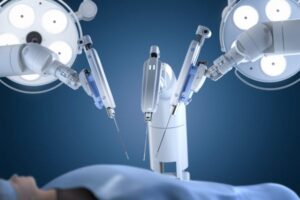
During the design of surgical robots, for instance, multi-axis load cells measure the slightest touch or resistance. This allows for a natural, human-like precision in movement, reducing the risk of tissue damage and enhancing patient outcomes. Similarly, in medical device production—such as syringe pumps or infusion systems—torque measurement guarantees that every mechanism operates smoothly and consistently.
Why Futek Sets the Standard
Futek’s commitment to innovation, miniaturization, and reliability has made its sensors a global benchmark in force and torque measurement. With features like high signal stability, compact design, and compatibility with modern data acquisition systems, their products integrate seamlessly into automation and testing environments.
Moreover, the company’s sensors are not just tools—they are part of a complete measurement ecosystem, offering engineers the ability to monitor, record, and analyze every critical force interaction in real time. This empowers manufacturers to move from reactive to proactive quality assurance.
Conclusion
Whether it’s ensuring the structural soundness of an aircraft or the precision of a surgical instrument, force and torque measurement form the backbone of quality control. Through their cutting-edge technology, Futek’s sensors enable industries to achieve the highest standards of safety, performance, and reliability.
As manufacturing continues to evolve, the integration of intelligent, high-accuracy measurement systems will remain the cornerstone of innovation—and Futek stands at the forefront of that evolution.




sales@logicbus.com | support@logicbus.com | +1 619 616 7350 | Start conversation