

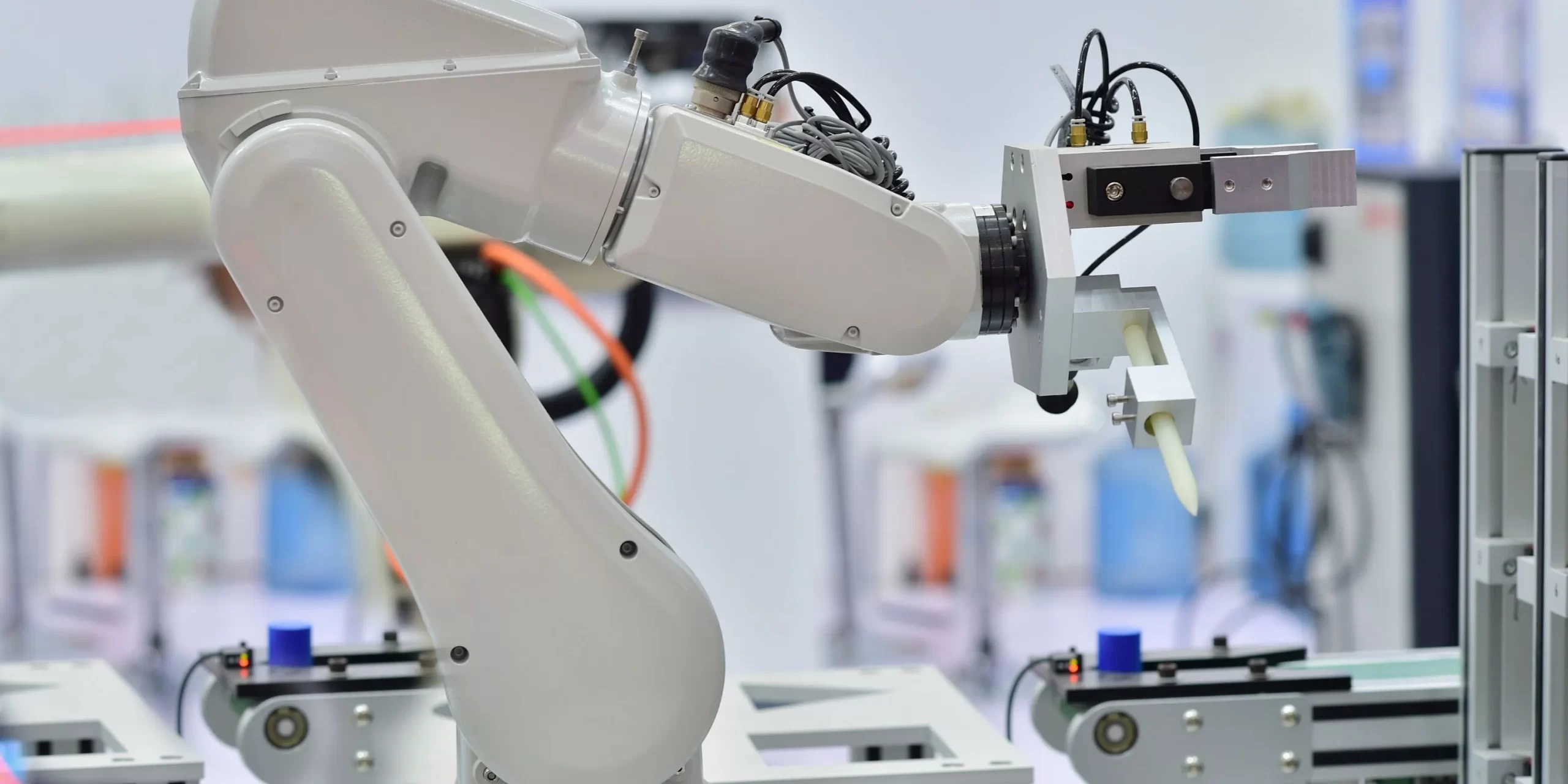
Collaborative robots, or cobots, are redefining modern industrial automation by enabling humans and machines to work side by side safely and efficiently. Unlike traditional industrial robots that operate in isolated environments, cobots must be highly sensitive to human interaction, external forces, and unexpected contact. One of the key technologies enabling this level of responsiveness is the use of load cells and torque sensors for haptic feedback.
By integrating force and torque sensing into robotic joints, grippers, and end effectors, cobots gain the ability to “feel” their environment—dramatically improving safety, precision, and adaptability across a wide range of applications.
The Role of Load Cells and Torque Sensors in Cobots
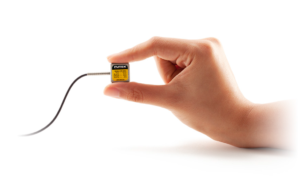
Load cells and torque sensors measure mechanical forces and rotational torque with high accuracy. In collaborative robotics, these sensors are essential for detecting interaction forces between the robot, the workpiece, and the human operator.
When embedded into robotic arms or joints, torque sensors continuously monitor applied forces in real time. This data allows the control system to adjust motion, speed, or grip strength instantly, enabling smooth and safe collaboration without the need for physical barriers.
Haptic Feedback: Giving Cobots a Sense of Touch
Haptic feedback refers to the ability of a system to sense and respond to physical interaction. In cobots, torque sensors and load cells provide the raw force data required to create this feedback loop.
Through advanced control algorithms, cobots can:
-
Detect contact with a human operator and immediately reduce force or stop movement
-
Adjust grip pressure when handling delicate or irregular objects
-
Sense misalignment or obstruction during assembly tasks
-
Respond dynamically to changing loads or external forces
This “sense of touch” allows cobots to operate more intuitively and safely, even in unstructured or variable environments.
Improving Safety in Human-Robot Collaboration
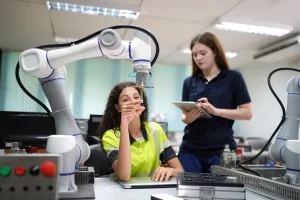
Safety is one of the primary drivers behind the adoption of collaborative robots. Force and torque sensors play a critical role in meeting international safety standards such as ISO/TS 15066.
By continuously monitoring interaction forces, cobots can:
-
Limit maximum force and torque applied during contact
-
Detect collisions faster than vision-based systems
-
Enable power-and-force-limiting operation modes
This makes cobots ideal for applications where close human interaction is unavoidable, such as manual assembly assistance, packaging, and quality inspection.
Enhanced Precision and Process Control
Beyond safety, load cells and torque sensors significantly improve precision. In tasks such as screwdriving, press-fitting, or polishing, precise force control is often more important than position accuracy.
With real-time force feedback, cobots can:
-
Apply consistent torque during fastening operations
-
Maintain constant pressure in surface finishing tasks
-
Detect process anomalies early, reducing scrap and rework
This level of control leads to higher product quality and more repeatable processes.
Applications Across Multiple Industries
The integration of load cells and torque sensors in cobots is driving innovation across many industrial sectors, including:
-
Electronics manufacturing for delicate component handling
-
Automotive assembly for fastening and force-controlled insertion
-
Medical and laboratory automation where precision and safety are critical
-
Logistics and packaging for adaptive gripping of varied products
As sensor technology continues to evolve, cobots are becoming more capable, versatile, and intelligent.
The Future of Force-Sensitive Robotics
Advancements in sensor miniaturization, digital signal processing, and AI-based control are pushing collaborative robotics to new levels. Load cells and torque sensors are no longer just measurement devices—they are becoming key enablers of intelligent interaction.
Future cobots will leverage richer haptic feedback to learn from human guidance, adapt to new tasks faster, and operate safely in increasingly complex environments. For manufacturers seeking flexible automation solutions, force-sensitive robotics represents a powerful competitive advantage.




sales@logicbus.com | support@logicbus.com | +1 619 616 7350 | Start conversation