

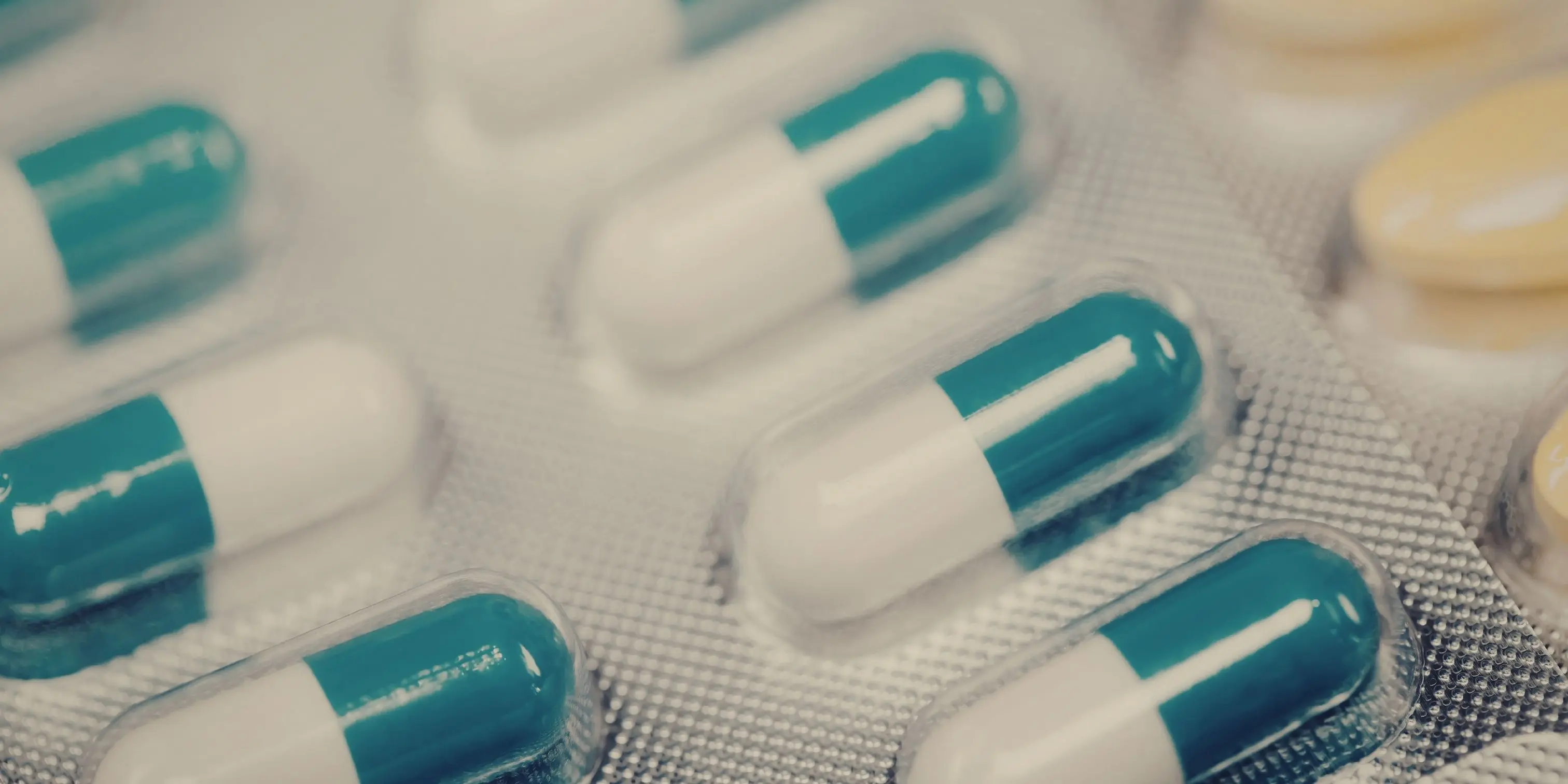
Lyophilization, or freeze-drying, is one of the most critical and technically demanding processes in pharmaceutical manufacturing, particularly for injectable biologics, vaccines, and temperature-sensitive compounds. It is used to enhance product stability, extend shelf life, and preserve molecular structure by removing water through sublimation under controlled vacuum and temperature conditions.
Because the process typically spans several days and operates under strict thermodynamic constraints, any deviation in temperature or pressure can result in batch failure. Given the high value of sterile injectable products, a single failed cycle may require the destruction of the entire lot, representing significant financial and regulatory impact. For this reason, precise monitoring and validated data acquisition are essential components of modern pharmaceutical lyophilization systems.
Fundamentals of Pharmaceutical Lyophilization
Lyophilization consists of three primary stages:
-
Freezing Phase
The product solution inside vials is cooled below its eutectic or glass transition temperature. Ice crystals form, and solutes concentrate in the remaining unfrozen fraction. -
Primary Drying (Sublimation)
Under deep vacuum, heat is carefully applied to sublimate ice directly into vapor without passing through the liquid phase. This stage removes the majority of water content and is highly sensitive to shelf temperature and chamber pressure. -
Secondary Drying (Desorption)
Residual bound moisture is removed by gradually increasing temperature while maintaining vacuum conditions.
Maintaining the product temperature below its critical collapse temperature during primary drying is vital. If the product exceeds this threshold, structural collapse may occur, leading to poor cake appearance, compromised reconstitution, and regulatory rejection.
Automated Loading: Eliminating Variability and Contamination 
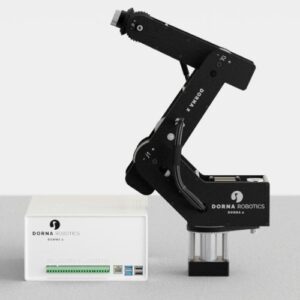
Modern lyophilization facilities integrate robotic handling systems to minimize human intervention in Grade A/B cleanroom environments.
Industrial robotic platforms such as the Dorna 2 are used to automatically load thousands of vials into lyophilizer trays. Automated loading ensures:
-
Uniform vial distribution across shelves
-
Reduced mechanical shock to containers
-
Elimination of operator-induced particulate contamination
-
Improved repeatability between batches
In high-throughput pharmaceutical environments, robotic integration significantly enhances process control and regulatory compliance.
Batch Instrumentation: Monitoring Under Extreme Conditions
Accurate in-process measurement during lyophilization presents unique challenges:
-
Temperatures as low as −50 °C or lower
-
Deep vacuum environments
-
Long-duration cycles (48–96+ hours)
-
Sterile, cleanroom-constrained setups
Specialized lyophilization data loggers are deployed to monitor real-time product temperature inside representative sample vials. These systems include:
-
Flexible thermocouple probes inserted into vials
-
Flat vacuum-compatible cables enabling door sealing without vacuum compromise
-
Electronics designed for stable operation under low pressure
Manufacturers such as MadgeTech provide vacuum-compatible data logging solutions specifically engineered for freeze-drying validation. These loggers maintain measurement integrity where conventional sensors may drift, fail, or introduce leakage.
Critical parameters monitored include:
-
Product temperature (core and surface)
-
Shelf temperature
-
Chamber pressure
-
End-point detection of sublimation
Real-time data enables engineers to confirm that sublimation is proceeding correctly and that product temperature remains below collapse thresholds.
Data Acquisition and Regulatory Reporting
At the completion of the drying cycle:
-
Robotic systems unload instrumented samples
-
Data loggers are retrieved
-
Recorded data are downloaded via validated interfaces
-
Reports are generated for batch documentation
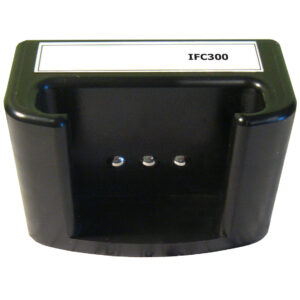
Software platforms such as MadgeTech 4, paired with validated interfaces (e.g., IFC-series readers), allow the creation of audit-ready batch validation reports.
These reports are essential for compliance with regulatory authorities such as the Food and Drug Administration (FDA), which requires documented evidence of controlled process parameters for sterile drug manufacturing.
Data integrity considerations include:
-
Time-stamped, tamper-proof records
-
Electronic signatures (21 CFR Part 11 compliance)
-
Traceability to batch and equipment identifiers
-
Calibration traceability of sensors
Without validated monitoring data, a lyophilization batch cannot be released for distribution.
Contamination Control in Critical Environments
Human operators are one of the primary sources of particulate and microbiological contamination in aseptic environments. Automated material handling solutions provided by companies such as Brooks Automation help eliminate direct human interaction in critical processing zones.
By integrating robotic loading/unloading with isolated lyophilization chambers, manufacturers achieve:
-
Reduced contamination risk
-
Improved cleanroom classification stability
-
Lower gowning and operator intervention costs
-
Enhanced reproducibility
This approach aligns with modern Annex 1 EU GMP guidelines emphasizing contamination control strategy (CCS).
Why Monitoring Defines Product Quality
The quality of a lyophilized injectable product is directly linked to the precision of temperature and pressure control throughout the drying cycle.
Effective monitoring ensures:
1. Structural Integrity
Prevents cake collapse and shrinkage.
2. Residual Moisture Control
Ensures stability and long-term shelf life.
3. Reconstitution Performance
Guarantees rapid and complete dissolution at the point of use.
4. Regulatory Approval
Provides validated documentation for batch release.
Failure to properly monitor the sublimation phase may result in invisible defects that only appear during stability studies—months after production.
Strategic Value of Advanced Monitoring Systems
Although lyophilization is inherently energy-intensive and time-consuming, intelligent instrumentation transforms it from a high-risk batch process into a predictable, validated operation.
Advanced monitoring systems provide:
-
Reduced batch rejection rates
-
Shorter cycle development time
-
Optimized shelf temperature ramp profiles
-
Enhanced scale-up reliability
-
Stronger regulatory audit readiness
In high-value biologics manufacturing, process data is not simply supportive documentation—it is the foundation of product release.
Conclusion
Pharmaceutical lyophilization represents one of the most technically complex unit operations in sterile drug manufacturing. Given the high cost of failure and the strict regulatory oversight governing injectable drugs, precise monitoring of temperature and vacuum conditions is non-negotiable.
By integrating robotic automation, vacuum-compatible data loggers, and validated reporting systems, manufacturers can ensure batch integrity, regulatory compliance, and consistent product quality.
In modern pharmaceutical production, the difference between a successful batch and total loss often lies in the precision of monitoring.




sales@logicbus.com | support@logicbus.com | +1 619 616 7350 | Start conversation