


In the fast-moving world of industrial automation, flexibility has become just as important as performance. OEMs today face a complex challenge: designing machines that meet highly specific application needs without driving up unnecessary costs. This is where the modular industrial PC especially platforms like Cincoze designed around add-on I/O modules has emerged as a game-changing solution.
Instead of purchasing fixed-configuration PCs packed with ports that may never be used, OEMs can now build systems to their exact specifications. With modular PCs, features such as PoE, COM, LAN, or digital I/O can be added only when required. The result? A simpler design process, reduced hardware waste, and optimized project budgets.
Why Modularity Matters in Modern Industrial PCs 
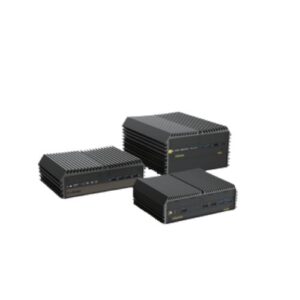
1. No More Paying for Features You Don’t Need
Traditional industrial PCs often force OEMs into a “one-size-fits-all” model. Even if a project doesn’t require extra LAN ports or PoE, those features come bundled and paid for.
Modular systems flip that script.
By selecting only the necessary I/O modules, OEMs avoid the cost of unused hardware. This is particularly valuable in large-scale manufacturing where thousands of machines are deployed, and every unnecessary port becomes an unnecessary expense.
2. Faster Customization for Specialized Applications
Industry requirements evolve quickly, and machines need to adapt just as fast. Modular PCs give OEMs a competitive advantage by offering rapid customization without lengthy redesign cycles.
Need additional COM ports for a legacy automation system?
Add a communication module.
Need PoE support to power industrial cameras?
Attach a PoE expansion card.
This flexibility allows OEMs to tailor each machine to its operational environment with minimal engineering effort and zero downtime.
3. Streamlined Inventory and Simplified Maintenance
Modular architectures help OEMs reduce the number of PC variants they must stock. Instead of carrying multiple fixed configurations, they can keep a base unit in inventory and add modules as needed for each customer order.
Additionally, when maintenance is required, technicians can replace or upgrade modules independently, reducing service time and minimizing machine interruptions.
4. Long-Term Scalability and Futureproofing
Industrial equipment often remains in use for a decade or more. A modular PC gives OEMs the peace of mind that the system can evolve over time.
If a future version of a machine requires extra LAN, more power, or new sensor connectivity, it’s as simple as swapping or adding modules keeping equipment relevant and upgradable without needing a complete PC replacement.
Cincoze as a Reference Point: Designed for Modularity
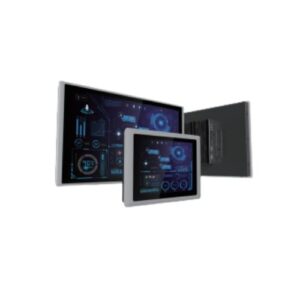
Brands like Cincoze have built their product families around this concept. Their industrial PCs accept a wide range of modules, enabling precise build-to-spec configurations. By incorporating PoE, COM, or LAN modules only where needed, OEMs avoid unnecessary expenses while enjoying a robust, industrial-grade platform.
This modular ecosystem is a major reason why Cincoze is becoming the go-to choice for machine builders seeking flexibility, scalability, and cost efficiency.
Conclusion: Build-to-Spec Is the New Standard
As automation accelerates and machine requirements become increasingly specialized, OEMs can no longer afford rigidity in their hardware platforms. Modular PCs represent the future allowing builders to tailor systems exactly to their needs while maintaining performance, reducing costs, and supporting product evolutions over time.
The rise of modular industrial PCs isn’t just a trend; it’s a strategic shift toward smarter, more efficient, and more sustainable machine design.




sales@logicbus.com | support@logicbus.com | +1 619 616 7350 | Start conversation