


In modern multi-product production lines, efficiency, precision, and traceability are essential. Synchronizing dosing machines allows manufacturers to automatically adjust filling parameters, dosing times, and transport routes depending on the product in process. This approach eliminates manual interventions between batches, minimizes human error, and ensures consistent accuracy in both volume and process sequencing.
How Synchronization Works
Automatic Product and Batch Identification
Every product unit or batch entering the dosing area is automatically identified using advanced tagging solutions, such as the RS3015 RFID tag from RFID INC. A compatible RFID reader, like the SPR/A18-8080-12C, retrieves the ingredient ID at the start of the batch. This triggers automatic recipe loading—including volume, dosing time, and the number of active valves—ensuring precise operation from the very first unit.
Coordinated Dosing Units and Valves 
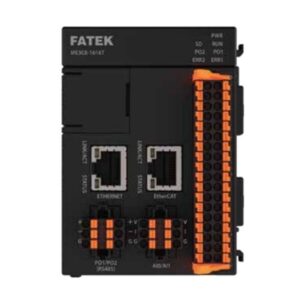
A central PLC, such as the ME1C1-1616T from FATEK, dynamically adjusts each dosing unit according to the recipe. This includes valve openings, target flow rates, motor speed, and desired weight or volume. With millisecond-level timing across all dosing units, the system guarantees that every container receives the correct parameters without error.
Real-Time Weight and Volume Control
During dosing, load cells like the FSH04521 from FUTEK, connected to signal amplifiers such as the FSH03863, measure product filling in real time. If a deviation occurs, the PLC immediately stops the dosing unit and generates an alert, maintaining strict control over production quality.
Quick Product Changeover
When a new product or batch is detected, the system automatically activates purge or cleaning cycles, adjusts valve and motor settings, and loads the new recipe—all without operator intervention. This reduces downtime and accelerates product changeovers.
Supervision, Recording, and Traceability
All synchronization data—including valve opening times, flow rates, and dosed weights—is automatically logged by the PLC. Operators can monitor the status of each dosing unit via HMIs like the P5070NB from FATEK, visualize trends, generate batch reports, and receive alerts for synchronization issues. Communication between devices (HMI, RFID reader, and PLC) is seamlessly handled via Modbus TCP over Ethernet switches such as the IES2300SL-5GT-2LV from 3onedata Technology.
Benefits of Synchronized Dosing
-
Continuous production without line interruptions.
-
Precise dosing across multiple machines.
-
Reduced waste and reprocessing.
-
Full traceability with automated reporting.
-
Scalability for additional dosing units and product types.
-
Integration with ERP/MES systems for planning, reporting, and recipe approval.
Synchronizing dosing machines is a critical strategy for manufacturers looking to optimize multi-product processes. By combining smart automation, precise control, and full traceability, production lines can operate more efficiently, accurately, and reliably than ever before.




sales@logicbus.com | support@logicbus.com | +1 619 616 7350 | Start conversation