

Differences Between Ultrasonic, Capacitive, and Optical Sensors
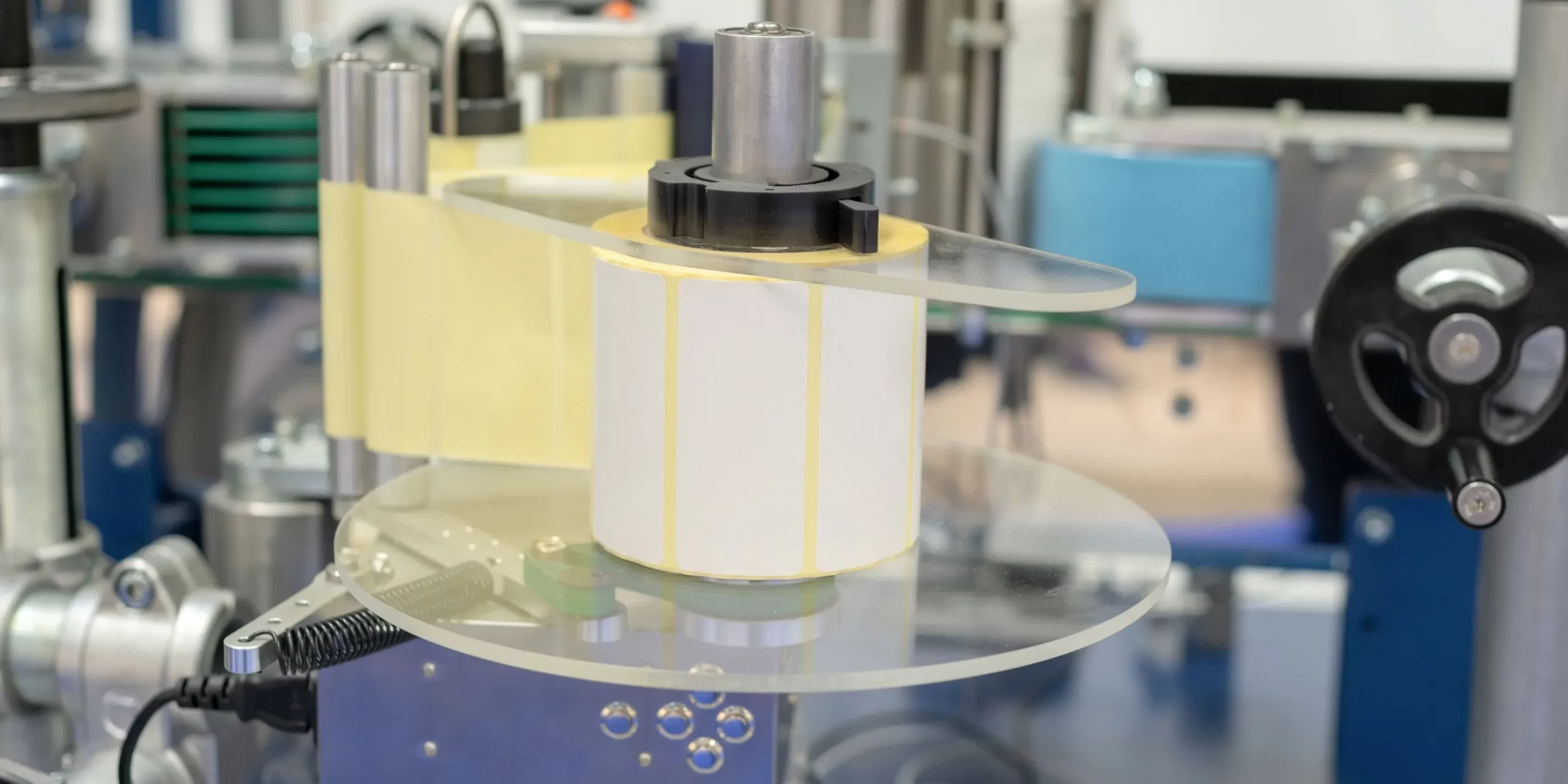
High-speed labeling systems demand extreme precision. A single missed label, misalignment, or detection error can result in product waste, production downtime, and quality issues. At the heart of reliable labeling performance lies one critical component: the sensor.
Choosing the right sensor technology is essential to ensure accurate label detection, regardless of material, speed, or environmental conditions. This guide explores the key differences between ultrasonic, capacitive, and optical sensors, helping engineers and automation specialists select the most effective solution for high-speed labeling applications.
Why Sensor Selection Matters in High-Speed Labeling
Labeling machines operating at high speeds must detect labels in milliseconds while maintaining consistent accuracy. Variations in label material, transparency, thickness, or backing can easily cause detection failures if the wrong sensor type is used.
The ideal sensor must:
-
Detect labels reliably at high speeds
-
Handle different materials and formats
-
Resist environmental interference such as dust, humidity, or vibration
-
Minimize false triggers and missed detections
Understanding how each sensor technology works is the first step toward optimizing system performance.
Optical Sensors: Precision Through Light Detection
Optical sensors operate by emitting a light beam typically infrared or visible and detecting changes when a label passes through or reflects the light.
Key Advantages
-
Extremely fast response times, ideal for high-speed applications
-
High accuracy for printed labels and consistent materials
-
Well-suited for applications with predictable label properties
Limitations
-
Struggles with transparent, glossy, or reflective labels
-
Performance can degrade in dusty or dirty environments
-
Sensitive to changes in ambient light
Best use case: High-speed labeling with opaque, uniformly printed labels in controlled environments.
Capacitive Sensors: Detecting Material Changes
Capacitive sensors work by sensing changes in an electric field. When a label passes near the sensor, its dielectric properties alter the field, triggering detection.
Key Advantages
-
Can detect non-metallic materials, including paper, plastic, and film
-
Effective with transparent or semi-transparent labels
-
Not dependent on color or print
Limitations
-
Sensitive to humidity, temperature, and material buildup
-
Requires fine-tuning for different label types
-
Shorter sensing range compared to other technologies
Best use case: Labeling systems with transparent or thin plastic labels in relatively stable environments.
Ultrasonic Sensors: Reliable Detection Regardless of Material 
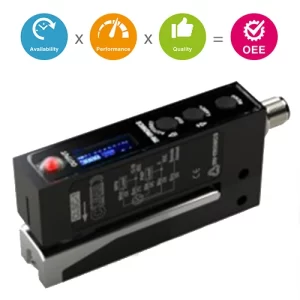
Ultrasonic sensors emit high-frequency sound waves and measure the echo reflected back. Because they rely on sound rather than light or electrical properties, they are largely unaffected by label appearance.
Key Advantages
-
Detects transparent, reflective, and multilayer labels reliably
-
Immune to color, print, and surface finish
-
Stable performance in dusty, humid, or variable lighting conditions
Limitations
-
Slightly slower response compared to optical sensors
-
Higher cost than basic optical solutions
-
Requires proper alignment for optimal accuracy
Best use case: High-speed labeling with transparent labels, liner variations, or challenging industrial environments.
Comparing Sensor Technologies for High-Speed Labeling
| Sensor Type | Transparent Labels | High-Speed Performance | Environmental Resistance | Setup Complexity |
|---|---|---|---|---|
| Optical | Limited | Excellent | Moderate | Simple |
| Capacitive | Good | Moderate | Sensitive | Medium |
| Ultrasonic | Excellent | Very Good | High | Medium |
How to Choose the Right Sensor
When selecting a sensor for a high-speed labeling application, consider the following:
-
Label material: Transparent or reflective labels often require ultrasonic or capacitive sensors
-
Production speed: Optical sensors excel at extreme speeds with consistent materials
-
Environmental conditions: Dust, humidity, and temperature fluctuations favor ultrasonic solutions
-
Flexibility needs: Systems handling multiple label types benefit from ultrasonic technology
In many modern labeling lines, ultrasonic sensors have become the preferred choice due to their versatility and reliability across changing production requirements.
Final Thoughts
Optimizing high-speed labeling is not just about machine speed—it’s about detection accuracy and consistency. Selecting the correct sensor technology can dramatically reduce errors, improve efficiency, and extend equipment uptime.
By understanding the strengths and limitations of ultrasonic, capacitive, and optical sensors, manufacturers can design labeling systems that perform reliably today and adapt to future production demands.




sales@logicbus.com | support@logicbus.com | +1 619 616 7350 | Start conversation