


In the cold chain logistics sector, the transition from a -20°C freezer environment to a humid 25°C loading dock is one of the most punishing tests for industrial electronics. This rapid temperature fluctuation, known as thermal shock, causes immediate condensation on and—more critically—inside the hardware. For standard tablets or ill-equipped computers, this leads to short circuits, corroded motherboards, and foggy screens that render the device useless within minutes.
Specifying the correct vehicle-mount computer (VMC) for these environments is a matter of engineering resilience to ensure that the data flow remains as unbroken as the cold chain itself.
The Physics of Failure: Condensation and Pressure
When a forklift exits a cold storage unit, the moisture in the warmer air of the dock condenses on the cold surfaces of the computer. If the device is not hermetically sealed or equipped with internal thermal management, this moisture penetrates the housing. Furthermore, the rapid expansion and contraction of air inside the unit can create a “vacuum effect,” pulling humid air through ports or seals that are not designed for extreme thermal cycles.
Critical Specifications for Cold Chain VMCs 
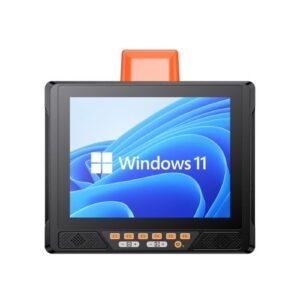
To maintain operational integrity, a professional-grade VMC must go beyond a standard “rugged” rating. The following features are non-negotiable for cold chain deployment:
1. Integrated Internal Heaters and Thermostats
A specialized vehicle computer, such as the Darveen VT series available through Logicbus, incorporates internal heating elements. These heaters are controlled by intelligent thermostats that maintain the internal temperature of the components above the dew point. This prevents internal condensation and ensures that the processor and storage drives operate within their optimal thermal range, even when the external chassis is freezing.
2. Defroster-Equipped Displays
One of the primary complaints from operators is “screen fogging.” High-end cold chain computers utilize heated glass for the touchscreen. This active heating prevents ice buildup and fogging when moving between temperature zones, ensuring the operator has constant visibility of the WMS (Warehouse Management System) interface.
3. IP66/IP67 Sealing and Specialized Connectors
Standard USB or Ethernet ports are points of failure in cold environments. A professional cold chain VMC utilizes M12 aviation-style connectors or specialized waterproof glands.
-
IP66/67 Rating: This ensures the device is completely dust-tight and protected against powerful jets of water (standard in food-grade washdown environments) and temporary immersion.
-
Pressure Equalization Vents: High-quality units include GORE-TEX® or similar vents that allow the unit to “breathe” to equalize pressure without allowing moisture or contaminants to enter.
4. Battery Chemistry and Power Management
Extreme cold significantly reduces the capacity of standard Lithium-Ion batteries. Vehicle-mount units should be wired directly to the forklift’s power system (e.g., 12V-48V DC) with wide-voltage input protection. For units requiring internal backup batteries (for hot-swapping or power fluctuations), specialized cold-rated battery cells must be specified to prevent premature shutdown.
Operational Impact and ROI
Choosing a device specifically engineered for thermal shock, rather than a generic rugged tablet, directly impacts the bottom line:
-
Elimination of “Acclimatization” Wait Times: Operators do not need to wait for their devices to “thaw out” or for fog to clear, maintaining a constant flow of goods.
-
Lower TCO (Total Cost of Ownership): While the initial investment in a specialized unit like a Darveen terminal is higher, the MTBF (Mean Time Between Failures) is significantly longer, avoiding the recurring costs of replacing consumer-grade hardware.
-
Data Integrity: Real-time scanning and inventory updates remain consistent, preventing the “black holes” in data that occur when hardware fails at the loading dock.
Conclusion
In cold chain operations, hardware is a critical infrastructure component, not just an accessory. Surviving thermal shock requires a combination of hermetic sealing, active thermal management, and specialized interface design. By specifying vehicle-mount computers that meet these rigorous standards, logistics managers can ensure that their digital systems are as resilient as the mechanical systems that power the warehouse.




sales@logicbus.com | support@logicbus.com | +1 619 616 7350 | Start conversation